
OUR LAND
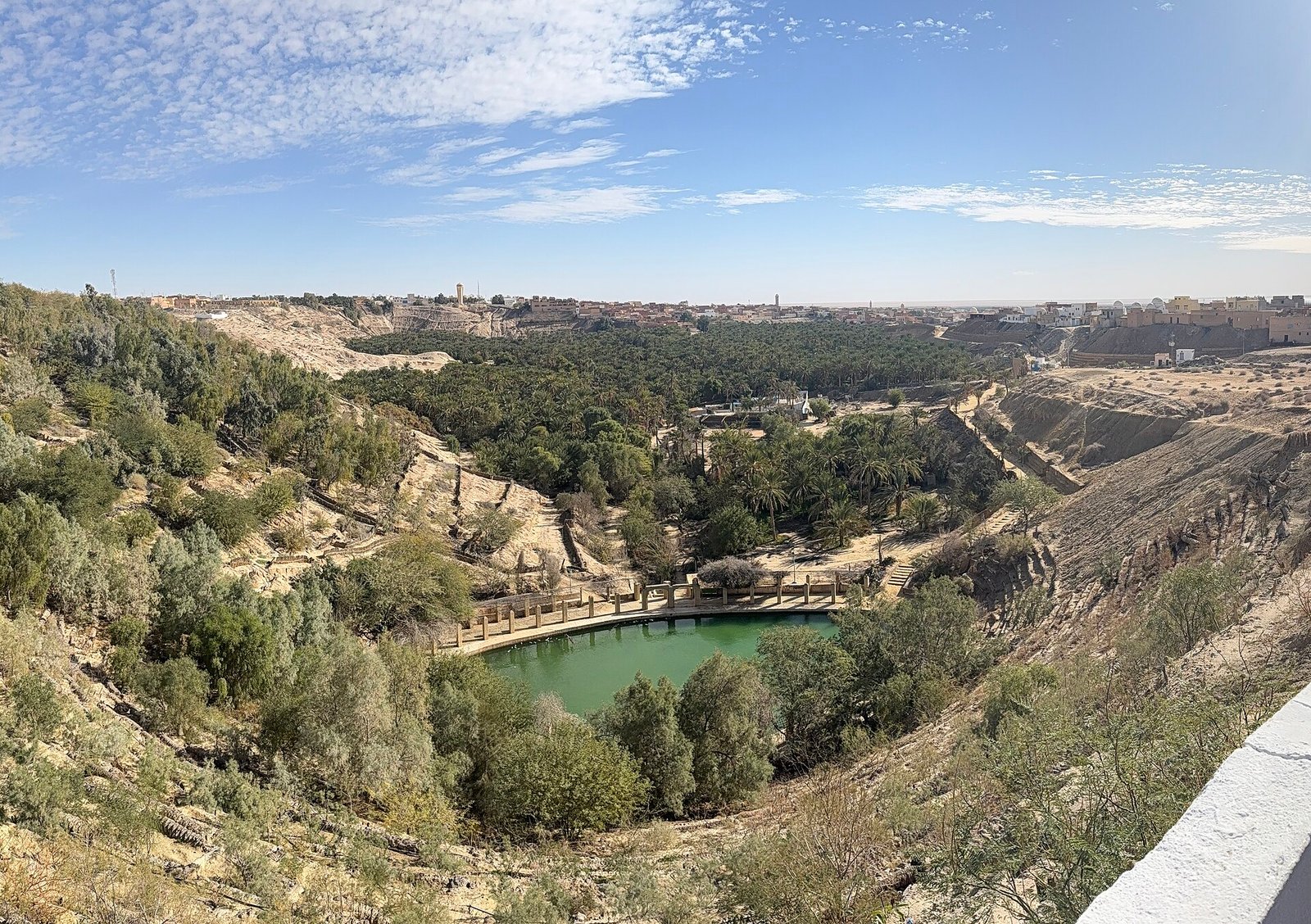
One oasis, five ways of living from the land

Date palms: the heart of the oasis
The date palm gives the oasis its shade, its rhythm and its income. Under the palms, smaller crops grow in layers, protected from the desert sun.
Our main variety is Deglet Nour: amber, translucent, soft and honey-sweet. We also offer Medjool, large and rich. The harvest is in autumn, and each fruit is selected and packed by hand.
Alfalfa — la luzerne, الفصة
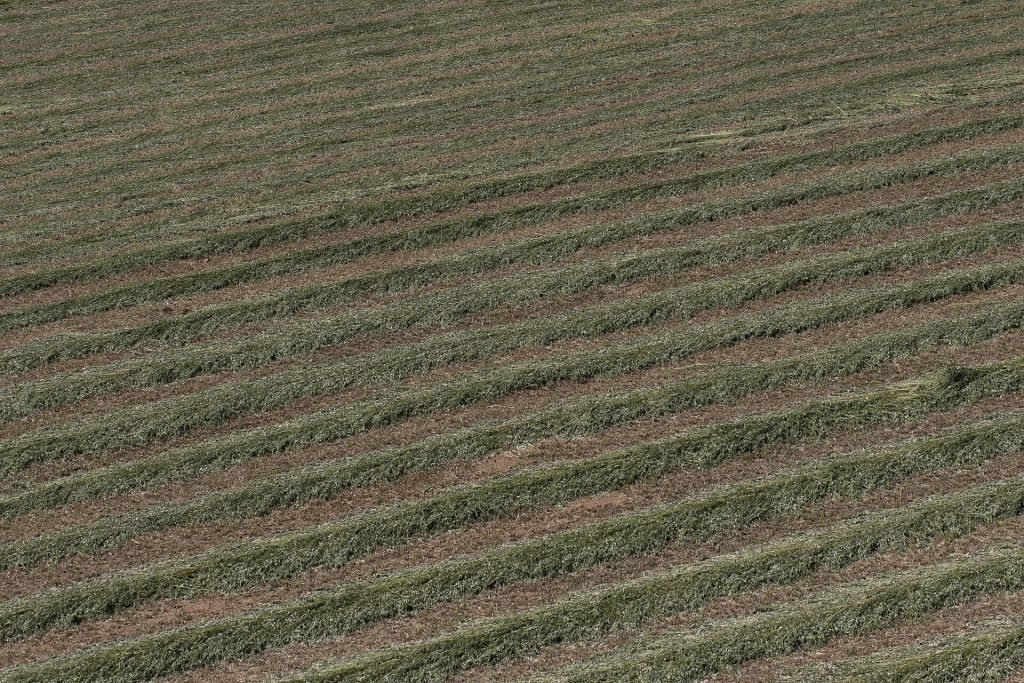
Alfalfa (in Tunisian Arabic “el fessa”) is a hardy, protein-rich fodder crop. It grows in the water and shade of the oasis and can be cut several times a year.
It feeds our sheep and goats, and it enriches the soil it grows in, which is good for the palms too.
Sheep & goats
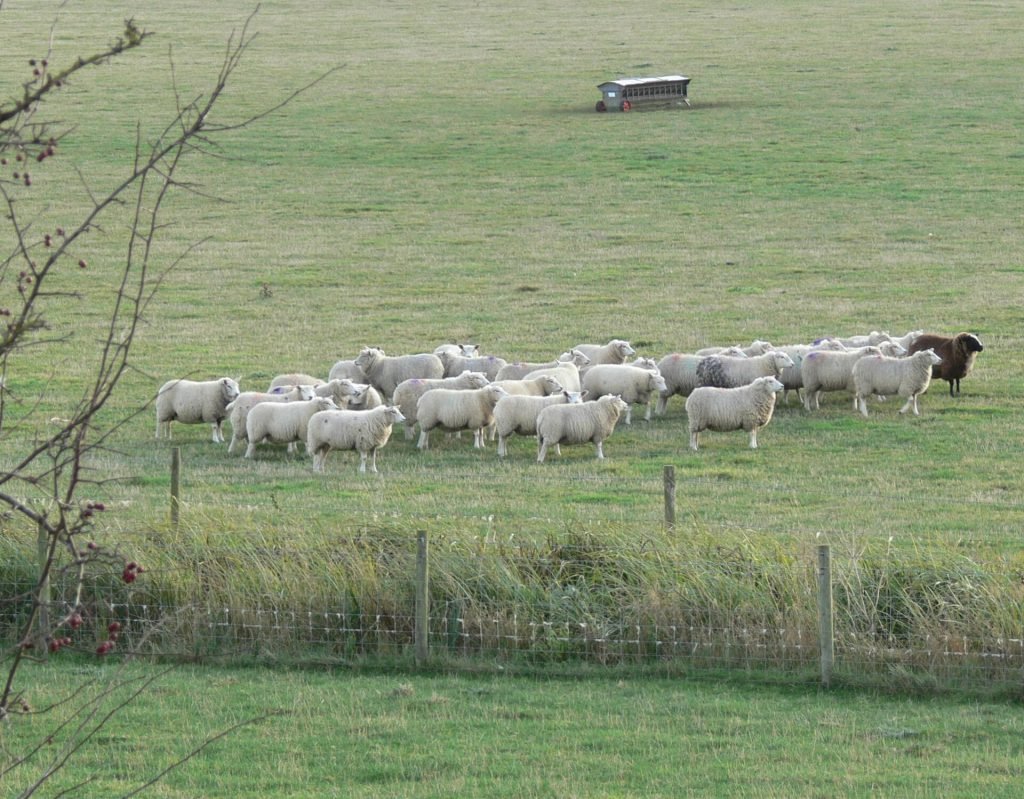
Sheep and goats are part of the farm’s cycle: fodder from the alfalfa fields, and manure that goes back to the land.
They are also a living tradition of southern Tunisia, shared with family and neighbours at the big feasts.
Tilapia in the desert
Tilapia thrives in warm water, which suits the oasis climate. A fish pond can also be a water reserve for irrigation, and the water carries nutrients to the plants.
Fish farming is one more way to make every drop of water work in the desert.

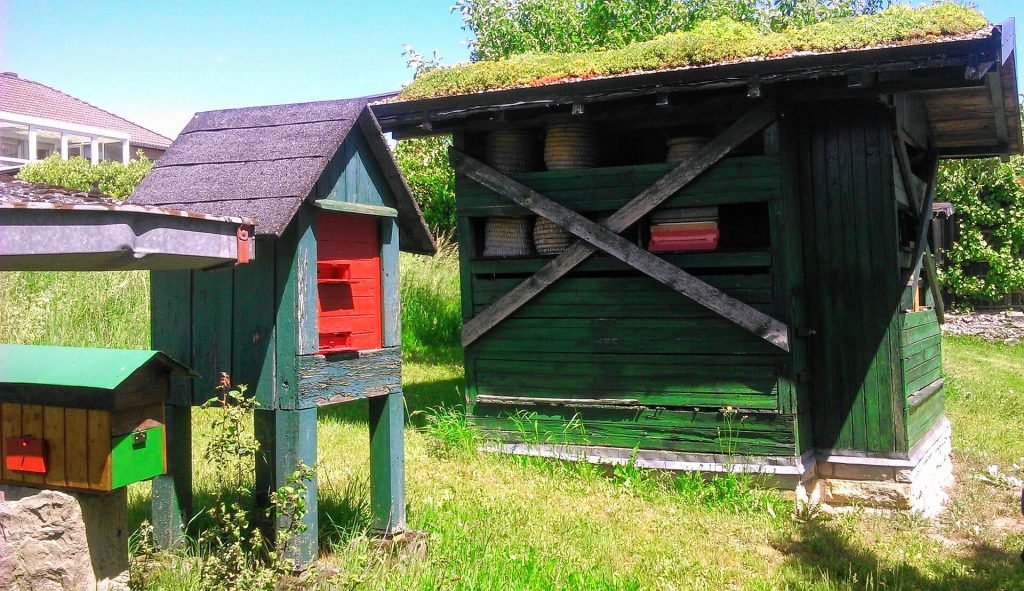
Bees & honey
Bees pollinate the date palms’ neighbours: the fruit trees, the vegetables and the fodder. In return they give honey and wax.
A healthy apiary is a sign of a healthy oasis.